2011/2/20(Sun), 21(Mon) Cambodia PnonhPenh香港経由プノンペン21日Hochiminホーチミン
2011/2/22(Tue) Hochimin(Saigon)ホーチミン(サイゴン)市
2011/2/23(Wed) To NheThang ニャチンにバスで向かう
2011/2/24(Thu) NheThang&NightTrainニャチンでゆっくりして夜行列車、
2011/2/25(Fri) Hue city by bicycleフエの町を自転車で
2011/2/26(Sat) Tour in Hueフエのバスツアー
2011/2/27(Sun) Arrived Hanoi&Haron Bay Tourハノイ着ハロン湾ツアー 28日To
KIX via Inchon
Beggining of Trip 旅の最初2/20,21 2/22 2/23 2/24 2/25 ThisPageこの頁2/26 2/27
Information ブログと情報 旅行会社ベトナム王
2011/2/26(Sat) Old Town HUE
2011年2月26日(土) 古都フエの町
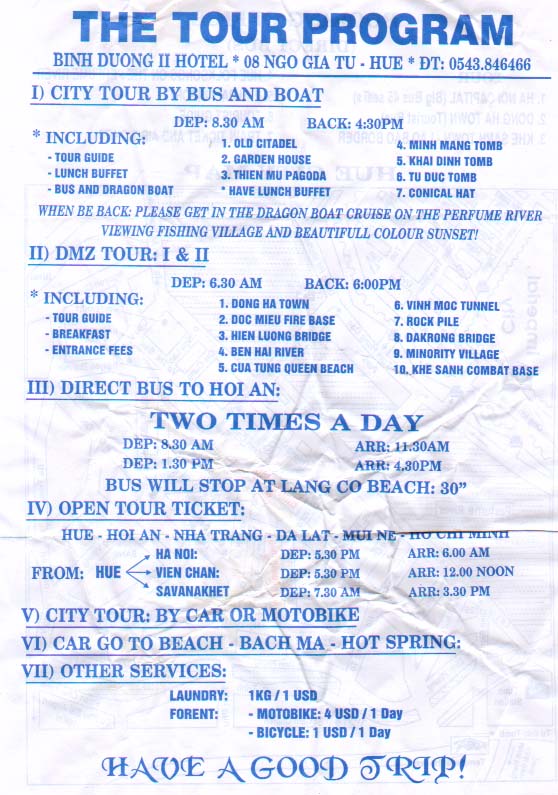
I will take 1) tour today, 55000dong=¥220- each as entrance fee necessary
at destination 1, 4, 5, 6
今日は下記案内のⅠ)CITY Tour by Bus and Boat に参加します。
行き先の1.4.5.6.では各55000ドン=¥220-の入場料が別途必要です。
フエの町は古くからいくつかの王朝が栄えた古い町なので見るところは沢山あります。
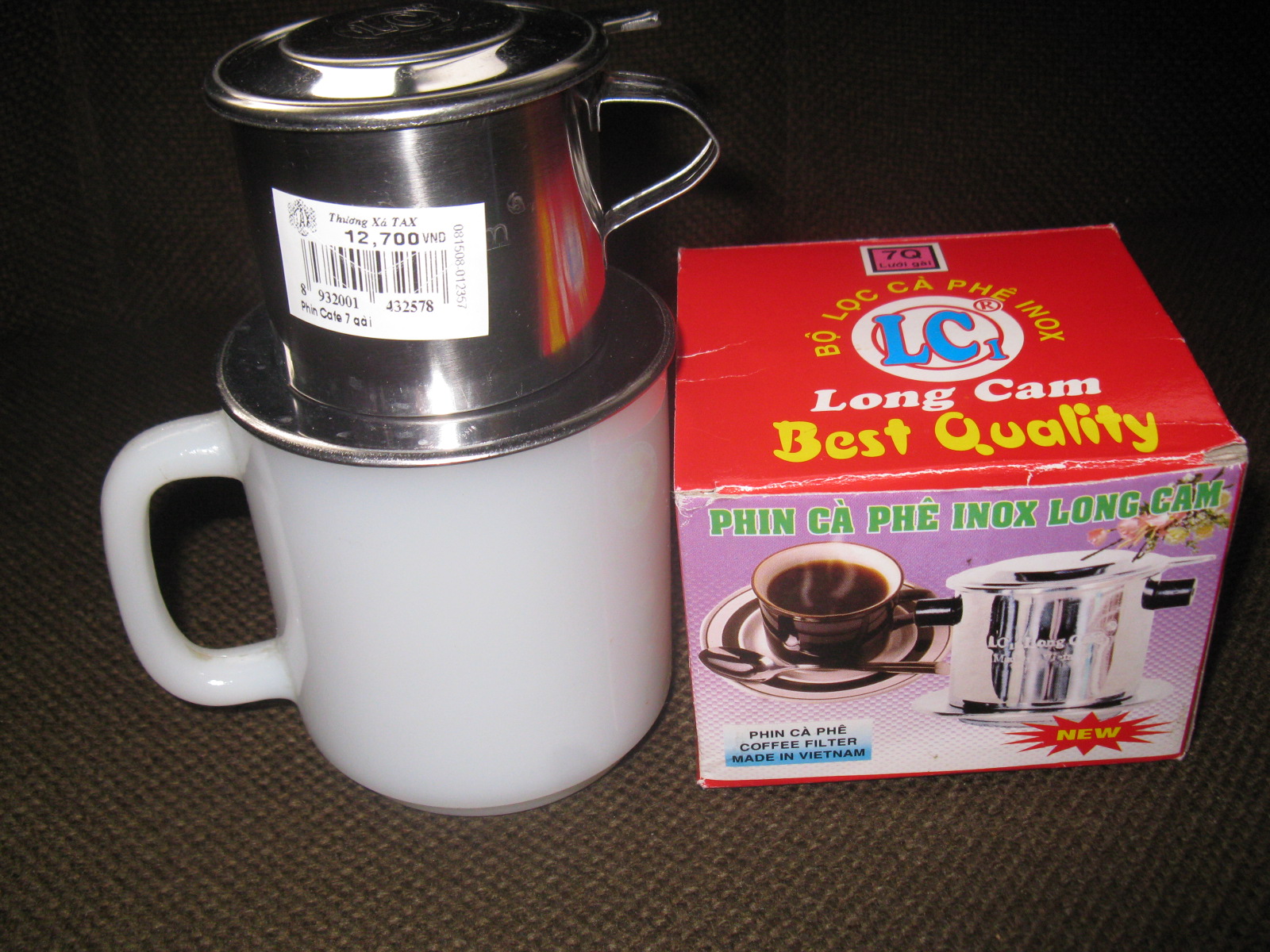
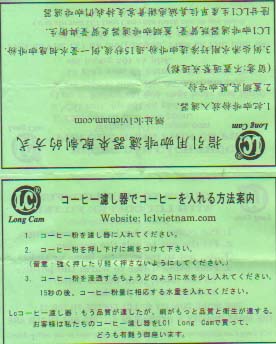
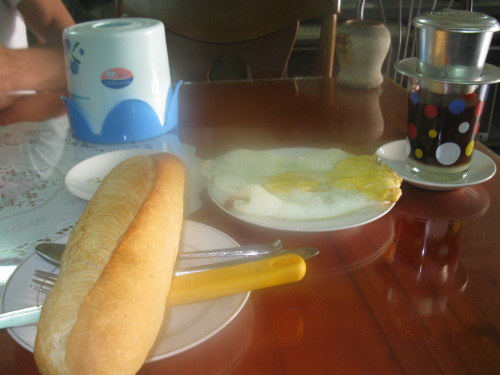
to serve coffee in Vietnam use this unit price 12700dong¥50us$0.7- ,
made by stainless steel also include Japanese instruction but unable to
understand Japanese.
コーヒーを飲むたびに出てきたステンレスポット、ポットの底部皿は取り外し出来ない、価格12700ドン=¥50-、
一枚に英語ベトナム語中国語日本語を印刷した取説だが解説はイマイチ意味不明
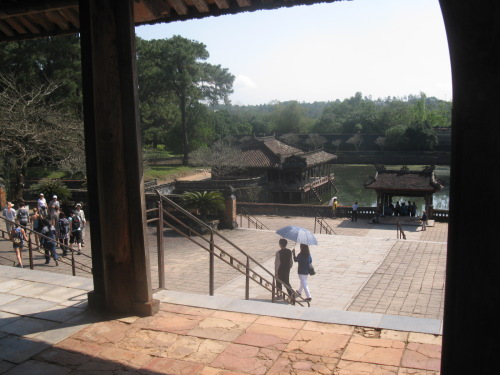 |
we walk more than 1 hour in this tomb. この廟は前後左右に広く一時間以上歩き回ります。 |
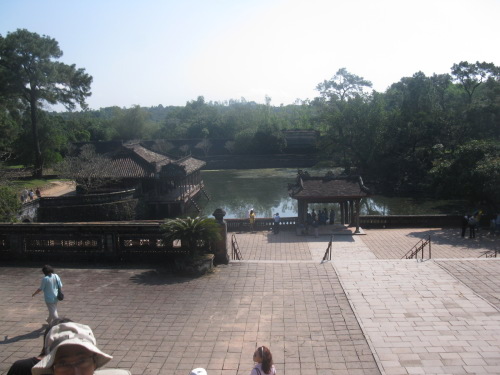 |
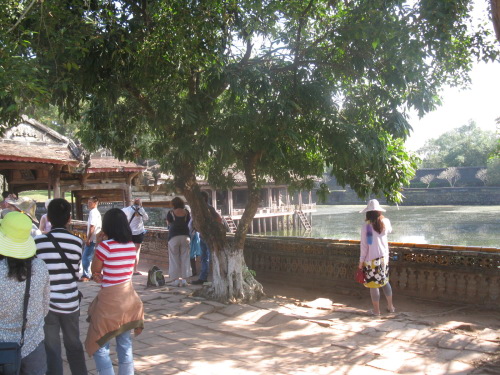
nice view. ここからは池も見渡せてよい景色。 |
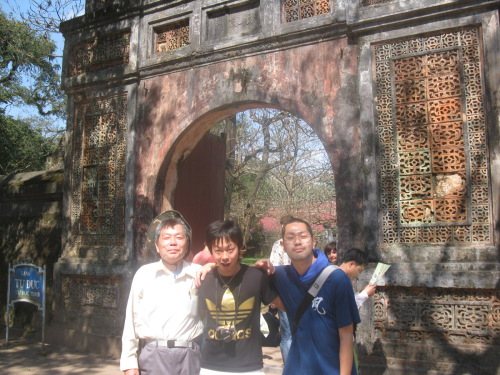 |
guide take a picture 3 of Japanese. after this I bought water to wash his
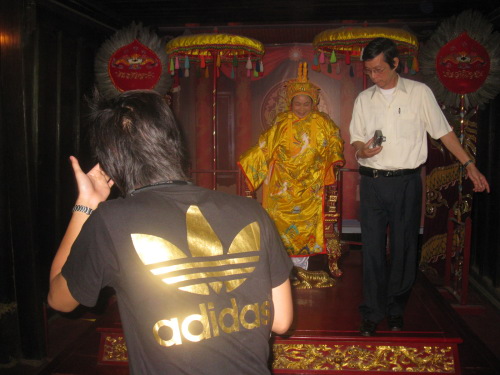
foot to clean up . 右端は30代の日本人Y君。 足の裏の水ぶくれが破れて痛そうに歩いてるAdidasのI君にはこの後でミネラルをウォータを買って足の手当てをしてやるつもり。 私も彼の年頃に裸足でテニスをして1時間後には両足が水ぶくれになった事を思い出した。 |
| When we took some photos, a family from Southeast Asia?also on the tour?offered him some adhesive bandages and iodine, telling him to "please use these." We Japanese in the group all felt quite humbled, and we expressed our thanks with a sincere "Thank you very much." Seeing foreigners show such kindness to a Japanese person, I couldn't very well leave him to struggle on his own. I had "I-kun" sit down, bought him some water, and gave him a non-woven fabric towel (which I had been using in place of a handkerchief) so he could clean the sole of his foot right there on the bus before applying the medicine. He struck me as a thoughtful and considerate young man, so I told him, "Consider the water a gift?don't worry about it." He was clearly touched, remarking, "It’s like having a Japanese big brother," which made me very happy. It is important to be able to express one's joy and gratitude appropriately. The medicine was a brown liquid; the guide had claimed it "wouldn't sting," but as I suspected, it was actually iodine?and the alcohol in the solution clearly caused him some stinging pain.. 写真を撮ったときにツアー参加者の東南アジア系の家族連れがバンドエイドとヨードチンキを「使ってくれ」と彼にプレゼント。 我々日本人全員が恐縮する思いで「Thank you very much」と言った。 外国人が日本人に親切にしているのに私が困った日本人を放置できるはずが無い、I君を座らせて水を買ってハンカチ代わりに持っていた不織布のタオルを渡してバスの中で足の裏の洗浄をしてから、薬をつけるように言った。 彼は若い割には気が着くし気を使いそうだったので「この水はプレゼントだから気にするな」と言ったら「日本の兄貴分みたいです」と感激してくれたのが私は嬉しかった。 喜びや謝意を適切に表現する事は重要だ。 薬は茶色の液状でガイドは「痛くない薬だ」と言っていたが私の思ったとおり、いわゆるヨーチンだったので溶剤のアルコールが沁みて痛かったようだ。 |
|
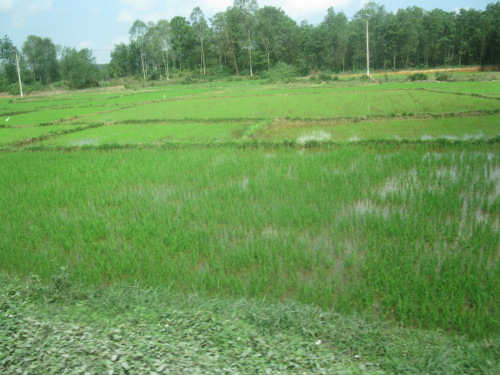 |
in rice field farmer put young rice plant each step by hand it is not Japanese
style. rice is Asiana on field 田植え風景では手で植えてるが田んぼを見ると日本のように一条植えになってないでランダムに生えている田んぼの稲。 |
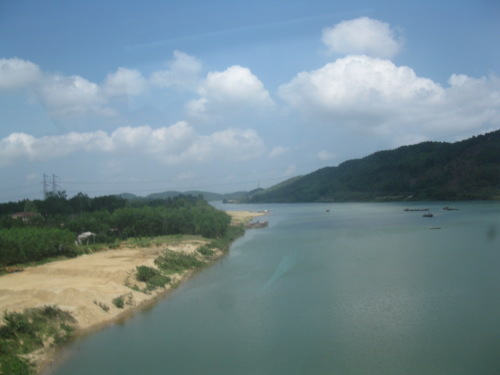 |
is this forn river? この川はフォーン川か?判らない |
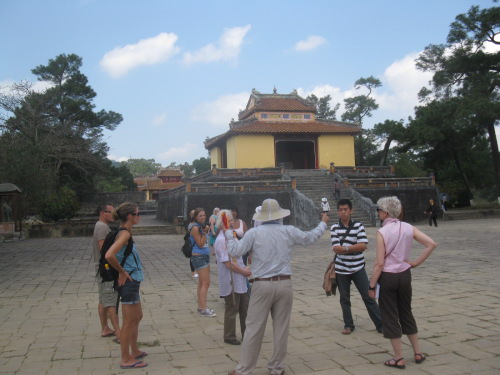 |
Lang Minh Mang tumb. guide explaining in English. ミンマン帝廟の中、ツェンさんが英語で解説しています。 |
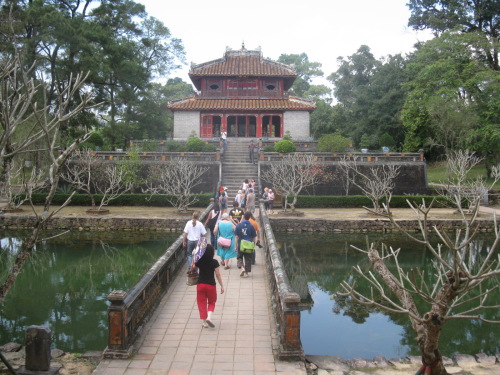 |
tour mate walking to deep inside of this tomb こうして更に奥にも廟があります。 |
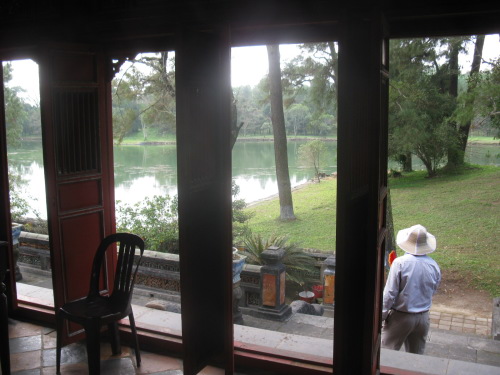 |
closed last tomb is not necessary to explain , tour guide wait come back.
一番奥は閉まっています、奥から皆が帰って来るのをガイドのシェンさんが待っています。 |
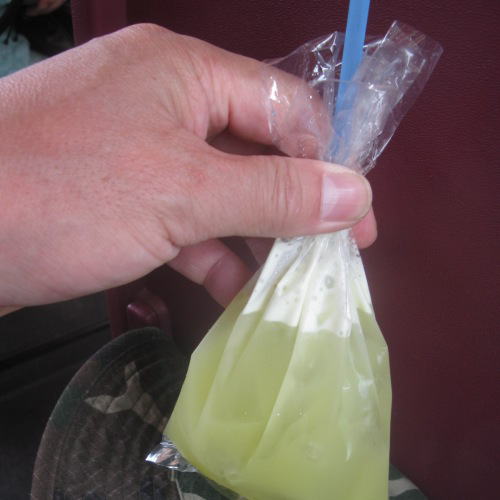 |
Just before boarding the bus, I had a street vendor in the parking lot press some sugarcane for me; he thoughtfully put the juice?along with some ice?into a plastic bag. He seemed quite practiced at this, likely having served other customers in the same way. It was delicious, but I made sure to drink it all before the ice could melt?after all, there’s no telling what kind of water was used to make that ice.. バスに乗る間際に駐車場で屋台のサトウキビ屋に搾ってもらったら気を利かせてビニル袋に氷と絞り汁を入れてくれた。 似たような客があるのだろう、手馴れていた。 美味しかったが、もちろん氷が解けない間に飲んだ、氷はどんな水で作ってあるか判らないから。 |
we need entrance fee.
ツアー参加費用以外に寺や帝廟は入る度に入場料55000ドン=¥220-が必要です。
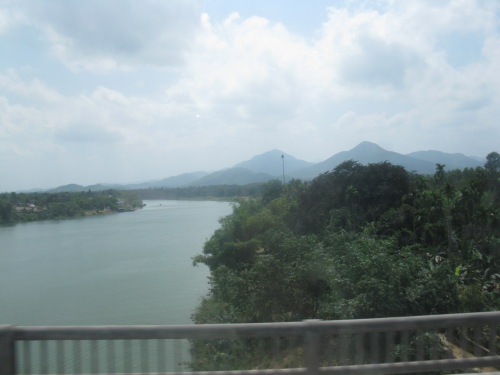 |
big river in Hue city. フエは大きな川が流れてる海に近い町。 |
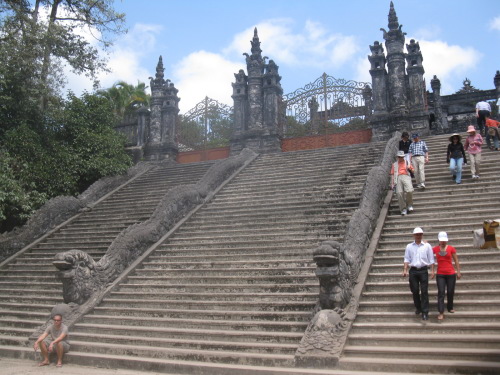 |
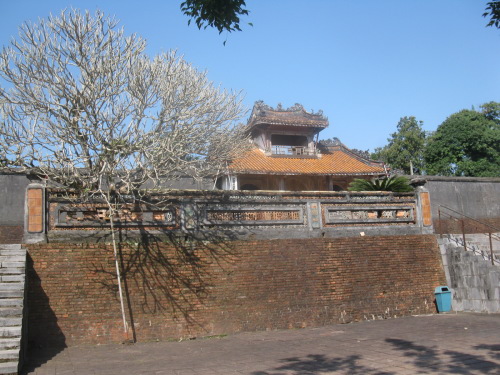
in the mountain walk from parking lot Lang Khai Dinh tomb. ここは階段もあるが少し高いところにあるようです。カイディン帝廟 |
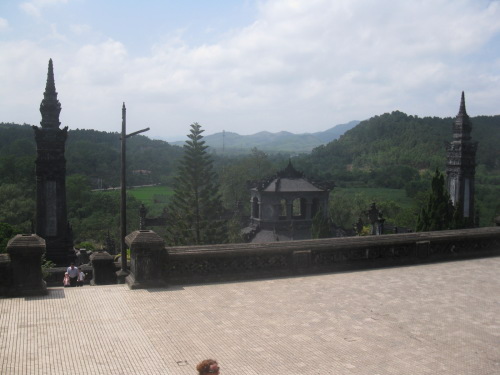 |
nice view from Lang Khai Dinh tomb. 標高が高いところに作られた廟、カイディン帝廟 MVI_4608.AVI シェンさんの解説は続きます20秒 |
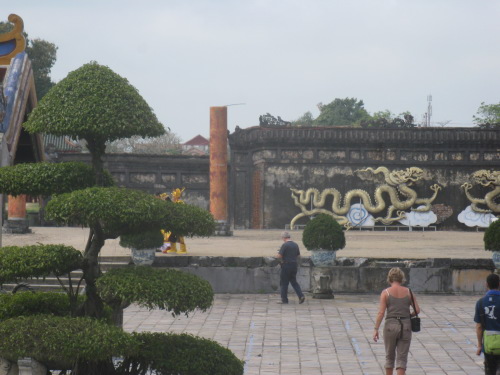 |
mosaic made by tip of beer bottle or other colored glass. 壁のモザイクは日本から持ってきたビール瓶のかけらを流用して一部分が作ってあると解説してくれた。 |
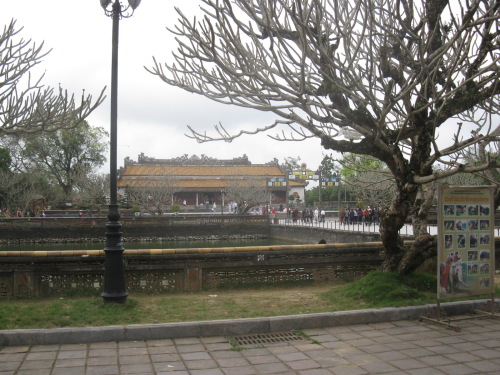 |
DaiNoi imperial place in down town city of Hue. I came here yesterday.
after here we will go on of hotel to get lunch, I eat one all mango yesterday,
I have problem in my stomach フエ市内にあるダイノイ王宮。 昨日は宿の自転車でこの近くまで来た。 この後フエ市内のホテルでビュフェ(バイキング)形式の昼食、ウェイターにお茶を頼んだら請求が来た。それ以外はツアーに含まれている。昨日は買ったマンゴーを1個全部食べたので今日の私のお腹はゴロゴロだ、これからの予定を考えるとちょっと困る。 |
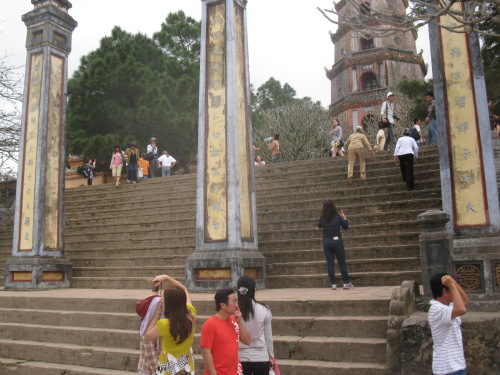 |
last place Chua Thien Mu temple, we will not back to bus, guide said after arrive here, I leave my cap in the bus, young woman look Japanese ask get back my cap in Vietnam language,instead of me. as if she is Japanese living in Vietnam her Japanese almost perfect Japanese. フエ市内です「ここが最後の廟です、同じバスには戻りません」と階段に来てからガイドから聞いてバスに帽子を置いたままであるのに気づく。ティンムー寺。 日本語を話す女性が私の帽子の事をガイドにベトナム語で言ってくれて戻るか心配してくれたがベトナム在住の日本人かと思っていた。 |
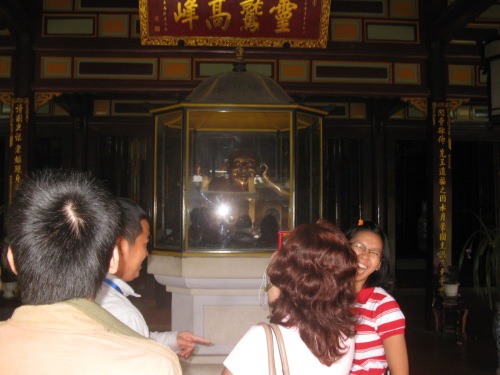 |
"we find your cap and bring by 5:30pm to your hotel" guide said. he contact bus driver by cell phone. 「バスに私の帽子が見つかったので5時半までに宿まで届ける」とガイドのツェンさんは携帯電話で連絡を取ってくれた。 |
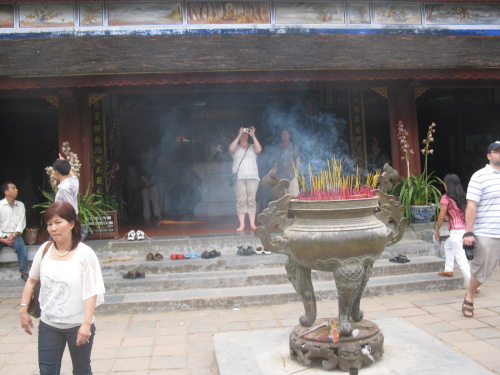 |
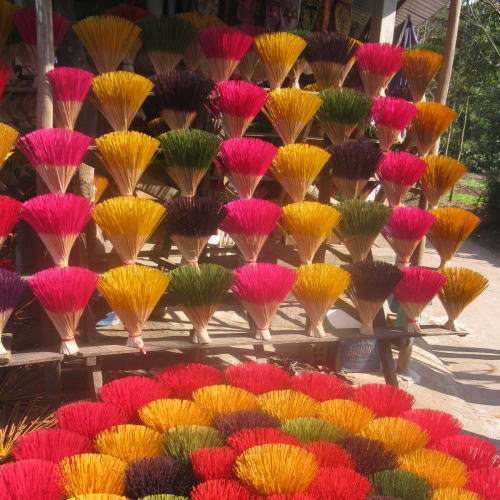
I bought stick and put fire here and donate money this temple god will
help me somewhere when necessary. 今日は賽銭も入れたし線香だって金出して買って立てたし、神様にも施したのできっとご利益があるだろう。 |
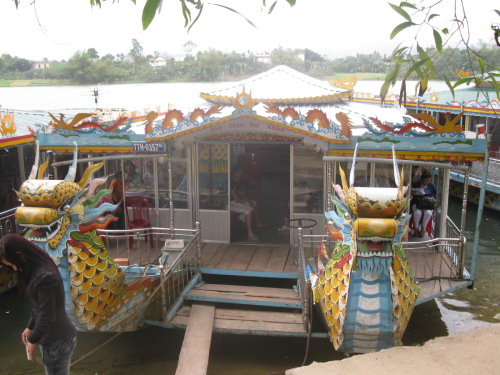 |
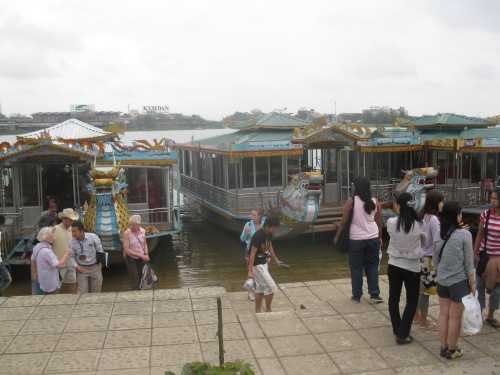
up the river by this boat and arrive other side 20 minutes boat trip . この船で大きく蛇行する川をさかのぼって対岸の桟橋まで数十分の船旅。 MVI_4622.AVI 川くだりならぬ川のぼりをお楽しみください20秒 |
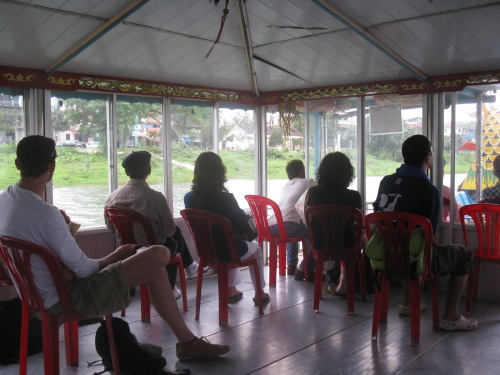 |
dragon boat started. ドラゴンボートは出港しました MVI4627.avi 始めは岸に沿って、暫くすると対岸に渡ります 23秒 |
| translation of Vietnam and Japanese. I can not memorize it all ベトナム語と日本語の対比は日常で使うものでも沢山あるが一度には覚えられない |
want 欲しい:チョートイchoutoi thank you ありがとう:カムオン come on sorry. ごめんなさい:シンロイshinroi I , me わたし:トイ toi Japanese 日本人:グオイニャ guoinya |
 |
The woman on the far right in the gray shirt?whom I had assumed was Japanese?explained
that she had spent nine years studying at Waseda University. She is fluent
in Japanese and now works in Ho Chi Minh City, where she has launched a
company, publishes a Japanese-language newspaper, and provides consulting
services. It was a heartening moment to realize that, during her time in
Japan, she had also come to understand the Japanese spirit. Meanwhile,
I-kun, whose feet were hurting, decided to carry his sandals; declaring,
"I’m a true Japanese man?I can’t let a little thing like this get
the better of me!" he continued walking barefoot. That concludes the
tour; now, we have about a one-kilometer walk back to our accommodation.
. 日本人と思っていた右端の灰色シャツの女性は早稲田大学に9年間留学して日本語ぺらぺら、ホーチミンで会社立ち上げや日本語新聞の発行、コンサルティングをしていると言っていた。 彼女が日本で日本人の心も勉強して帰ったのを感じて嬉しく思ったひと時。 I君は足が痛いのでサンダルを手にもって「俺は日本男児、これくらいでへこたばってはいかん」と裸足で歩いている。 ツアーはこれで終わり、これから1km程歩いて宿まで帰ります。 |
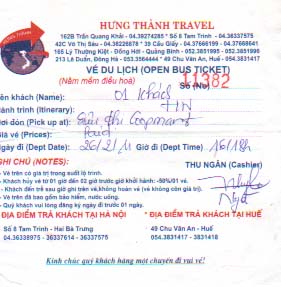 |
When I arrived at the guesthouse, the guy working there was already waiting on his motorbike, ready to take me to the bus terminal so I wouldn’t miss my bus to Hanoi. I took my ticket, but I also tried to get some information about budget accommodation in Hanoi from the guy?who happened to be wearing an Adidas shirt. I looked at a map and listened to his verbal explanations, but with the bus departure time looming and so many other things to keep track of, 99% of what he said went in one ear and out the other. The only thing I managed to remember was that there were two coffee shops. As for the hat I’d left on the previous bus?it never showed up by the time it was supposed to. At the bus terminal, about a 20-minute motorbike ride away, there was a bus waiting, but it was already full. I was told to "wait for the next one," so I hung around for about 30 minutes. The guy from the guesthouse stayed until I actually got on the bus, so when we shook hands, I handed him a 10,000 VND (about 40 yen) tip?a little reward for a job well done.. 宿に着くと私が乗る予定のハノイ行きのバスに間に合わないと宿の兄ちゃんがバスターミナルまで送るのにバイクにまたがって待っていた。 私は左のチケットを受け取って、でもadidasの彼にハノイの安宿情報を聞くべく地図を探したり口頭で説明を受けたがバスの時刻が迫っていたり他にも気をつけることが多くて彼の説明の99%は頭に入らなかった覚えてるのはコーヒーショップが2軒あるってことだけだった。 バスに忘れた帽子は結局は予定の時間に返ってこなかった。 バイクで20分程のバスターミナルではバスが一台待機していたが既に満席、「次のバスを待て」と30分程待つ。 バイクで送ってくれた宿の兄ちゃんは私の乗車まで見届けてくれたので握手する時にチップに1万ドン=¥40手渡してやった。 良い仕事をした時のご褒美だ。 |
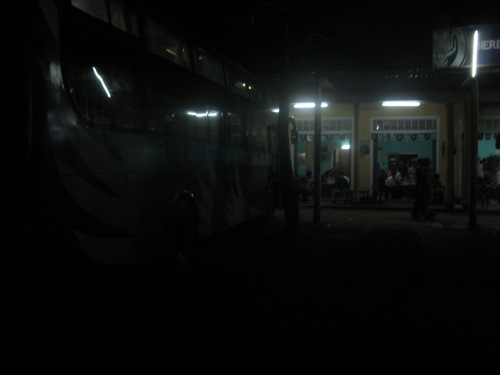 |
It was a little past 9:00?about three hours after the bus had set off?when we arrived at this roadside stop. While they served local-style udon noodles and rice dishes, the only other items available were drinks and crackers; there were no cookies, biscuits, or bread to be found. The restroom was a concrete-floored space, roughly the size of a small room (about 5 square meters), equipped with a door but no actual toilet bowl. Near the base of the wall, there was a horizontal opening?presumably for flushing away waste. Aside from a single faucet, there was no plumbing or drainage system; one would likely relieve oneself on the floor (which was slightly sloped to allow for runoff) and then use water from the faucet to push the waste toward the opening. It seemed highly unlikely that there was any proper sewage system in place; looking outside, I could see fields and paddies, and it appeared that the waste might simply be draining into the irrigation channels?or perhaps directly into the fields themselves? Is this just how things are done in the countryside? Perhaps because of the time of day, the weather was quite pleasant?neither too hot nor too cold. We took a break here for about half an hour, and once the driver had finished his meal, we set off again.. バスが走り出して3時間ほどの9時過ぎ、このドライブインでは現地の人が食べるうどんやご飯類はあったが、飲物のほかにはクラッカーだけ、クッキーもビスケットもパンもなかった。 トイレにドアはあるが便器が無い3畳ほどのコンクリート床の部屋、壁の下方に穴が横向けにあり排泄物を流すらしい。他には蛇口があるだけ、トイレ内に水路はなし、平らな(水が流れる程度に傾斜があったが)所で用を足して蛇口からの水で穴めがけて物を押し流すのだろうか?、 下水を完備しているとは思えないし外を見ると、そのまま汚水処理水路=田んぼの水路??のように背後には田や畑が見えていた。田舎だからできること? この時間だからかもしれないが暑くも寒くもない程よい気候、ここで半時間ほど休憩して運転手が食べ終わったら出発した。 |
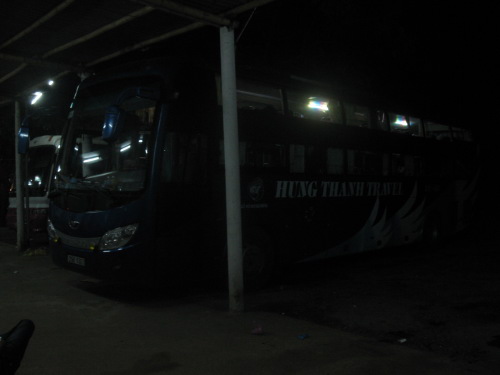 |
can not see anything from night bus. |
Beggining of Trip 旅の最初2/20,21 2/22 2/23 2/24 2/25 ThisPageこの頁2/26 2/27